Table Of Content

An ingrown hair starts growing in its follicle normally, but after emerging into the world, it doubles back and reenters your skin. Compared to other hair-removal methods, this happens most often when you’re shaving. “The razor leaves the end of the hair sharp, making it more likely to pierce back into the skin,” Dr. Hayag says. Ingrown hairs can be painful, but you can remove them safely with the help of a warm compress. To prepare your skin for removing ingrown hair, soak a clean washcloth in warm water and hold it over the area for 3 to 5 minutes.

Baking Soda-Oatmeal Treatment
They look like small red dots on your skin, roughly the size of a pimple, and can become infected. If you have a stubborn ingrown hair, try loosening it with an exfoliator and a warm compress, and then pulling the hair loose with a pair of sterile tweezers. Shaving can be a pain, but dealing with ingrown hairs can be much worse. Ingrown hairs result from the hair follicle growing under the skin instead of emerging above it and can ultimately cause irritation and inflammation.
If You're Struggling With Dull, Lackluster Skin, This Is the Routine You Need
"Use a good-quality shaving gel with a short list of moisturizing ingredients, like shea butter, olive oil, and coconut oil—these types of bases will give a proper buffer for your razor," says Dr. Engelman. "When you shave, you’re shaving your skin, too," says Bischoff. "If you don’t use enough shaving cream to create enough slip, you’ll lightly abrade your skin, leaving it irritated." Ouch. First of all, removing hair anywhere on your body is completely your decision—don't listen to anyone who tells you otherwise, or feel pressured into shaving, waxing, or using any other hair removal method. The content of this article is not intended to be a substitute for professional medical advice, examination, diagnosis, or treatment.
Products & Services
Ingrown hairs are most common in people with tightly curled hair because the natural curl tends to push the hair back into the skin. They are more common in areas where hairs have been removed, especially after shaving, tweezing, or waxing. Learn how to safely remove an ingrown hair so you can reduce the risk of scarring or infection. Shave in the direction your hair naturally grows and rinse off the blade following each stroke. The more often you replace the blade, the less likely you are to experience cuts and irritations like ingrown hairs.
The cost of laser hair removal depends on how big the area being treated, how many treatments you need, and the going rate in your area, among other factors. The average is $389 per treatment, according to the American Society of Plastic Surgeons. Electrolysis — when a technician zaps each follicle with electricity, killing it — can be very painful but works well for small areas like the chin.
Oil-Based Serum
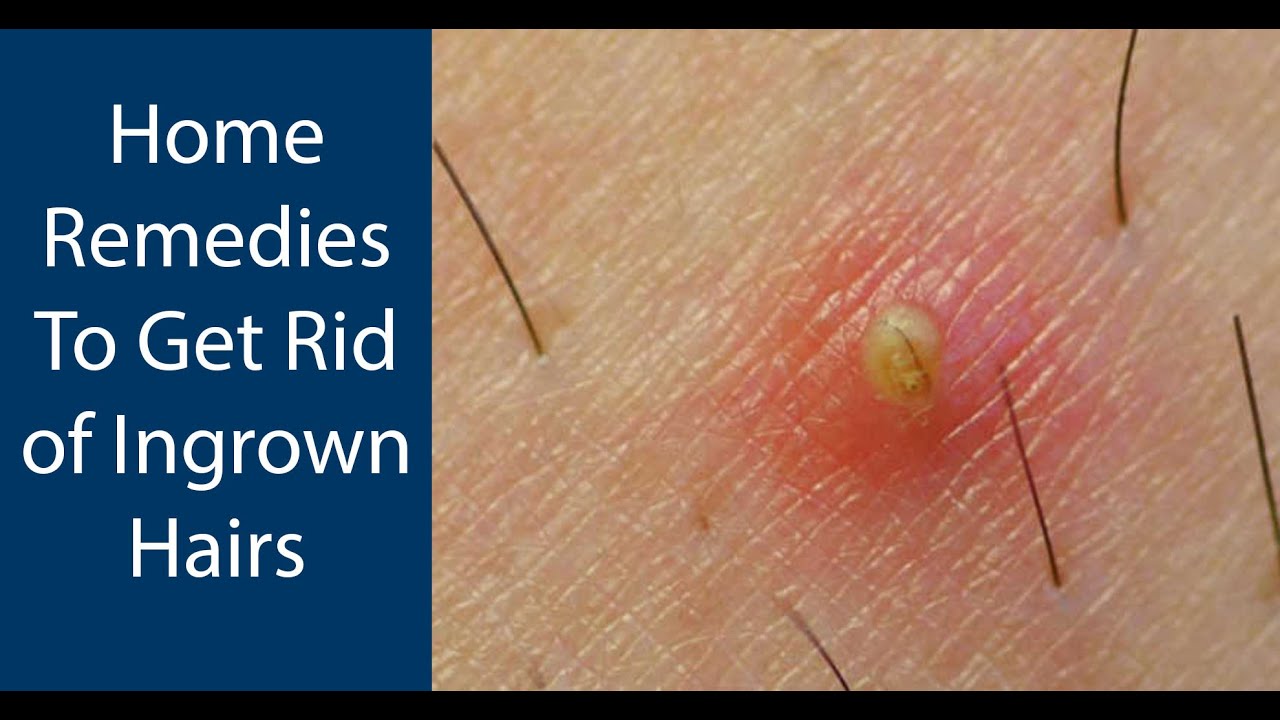
If you see signs of infection, you should visit your healthcare provider. An ingrown hair looks like a raised, discolored spot on your skin. It’s a strand of hair that grows back into your skin after shaving, tweezing or waxing.
This will allow you to grasp only the hair and avoid damaging your skin. A hair becomes ingrown if it grows back into your skin while being outside of its hair follicle. The curlier the hair, the more likely it is to become ingrown. A hair can curve back into your skin as it grows out and become trapped under your skin. So, wearing tight clothing such as leggings and jeans can contribute.
However, if that's not an option, there are a few at-home grooming habits you can change. If you really plan on using a serum every day, you may prefer to opt for something more budget-friendly—especially if it's going to be used all over your body. At under $20, Dr. Robinson recommends Gillette Venus' topical serum post-shower. She likes that it contains lactic acid and emollients that'll help to reduce itch while also minimizing the risk of getting more ingrown hairs. Once you're done shaving, Dr. Marmur suggests turning to these AHA and BHA-infused pads as a second step to help prevent ingrown hairs all over the body (yes, even the pubic area).
Ingrown hairs can affect anyone, but they’re easy to treat and prevent with the right hair removal practices. Your health care provider might recommend laser-assisted hair removal, which removes hair at a deeper level than does shaving, waxing, tweezing or electrolysis. Laser treatment slows regrowth and is a longer term solution. Possible side effects of this method are blistering, scarring and loss of skin color (dyspigmentation). This essential oil from the Melaleuca alternifolia plant is well-known for its ability to improve skin health.
The 10 best razors for men with sensitive skin, plus grooming expert tips - New York Post
The 10 best razors for men with sensitive skin, plus grooming expert tips.
Posted: Mon, 28 Aug 2023 18:14:52 GMT [source]
If they persist, recur, or are severe, consider speaking with a doctor. Not all ingrown hairs become infected, and they usually resolve on their own in a few days. Staphylococcus (staph) infections can occur with an ingrown hair. Staph is typically present in your skin flora, but it can’t cause an infection unless it enters a break in the skin. Formulated with a blend of sugar and hydrating oils such as jojoba and tea tree, this body scrub is designed to exfoliate the skin so it's prepped and ready for shaving. According to the brand, it's safe for all skin types and can be used anywhere on the body, which means that you can address all your problem areas, from your bikini line to your pits.
That’s why it’s really best to keep your hands (and razor) off of it until it heals. Avoid squeezing, scraping, or digging for it and let nature run its course, says Gary Goldenberg, M.D., assistant clinical professor of dermatology at the Icahn School of Medicine at Mount Sinai Hospital. “There is a risk of infection and scarring if bacteria is introduced during the extraction,” he explains. This means that most of the time, you don't need to worry about removing them. "I encourage patients not to pick at ingrown hairs on their own because it can cause damage, scarring, or infection, especially if sharp tools are used," says Engleman. If the area is very inflamed and tender, your doctor may also inject a steroid into the skin, in order to reduce inflammation and provide quick relief.
“Prior to shaving, use warm water to rinse the skin, followed by a moisturizing shaving cream or gel,” says Dr. Hooman Khorasani, a quadruple board-certified dermatologist in New York City. Dr. Noelani González, a clinical instructor in the department of dermatology at Mount Sinai, also suggests exfoliating often, not just before shaving. Shaving is tiresome enough without having to worry about pesky side effects like ingrown hairs. Causing irritation, redness, itchiness and more, it's an unpleasant experience that even the most cautious shavers may encounter.
Ingrown hairs usually develop after hair removal, which can lead hairs to curl back into the pore. With pimples, oil, dead skin cells, and bacteria build up and block the pore. You can usually treat ingrown hairs and pimples at home with over-the-counter treatments. Ingrown hairs occur when hair curls around and grows back into the skin or if dead skin clogs the hair follicle and forces it to grow sideways.
While they're typically found on your face, legs, armpits, and pubic area, ingrown hairs can develop anywhere on the body, even your scalp. If you have an inflamed, itchy spot on your skin right after shaving, you might have an ingrown hair. Ingrown hairs are caused by hair curling up and growing back or sideways into your skin. Deep ingrown hairs can sometimes stick around for weeks or months, and they can cause a lot of pain and irritation. If you’re dealing with a deep ingrown hair, read through this article to see how you can remove it at home and when you might need a doctor’s help. They’re those coarse hairs that disguise themselves as inflamed bumps after what you thought was a safe, close shave.




No comments:
Post a Comment